Can I Install an EV Home Charger Myself
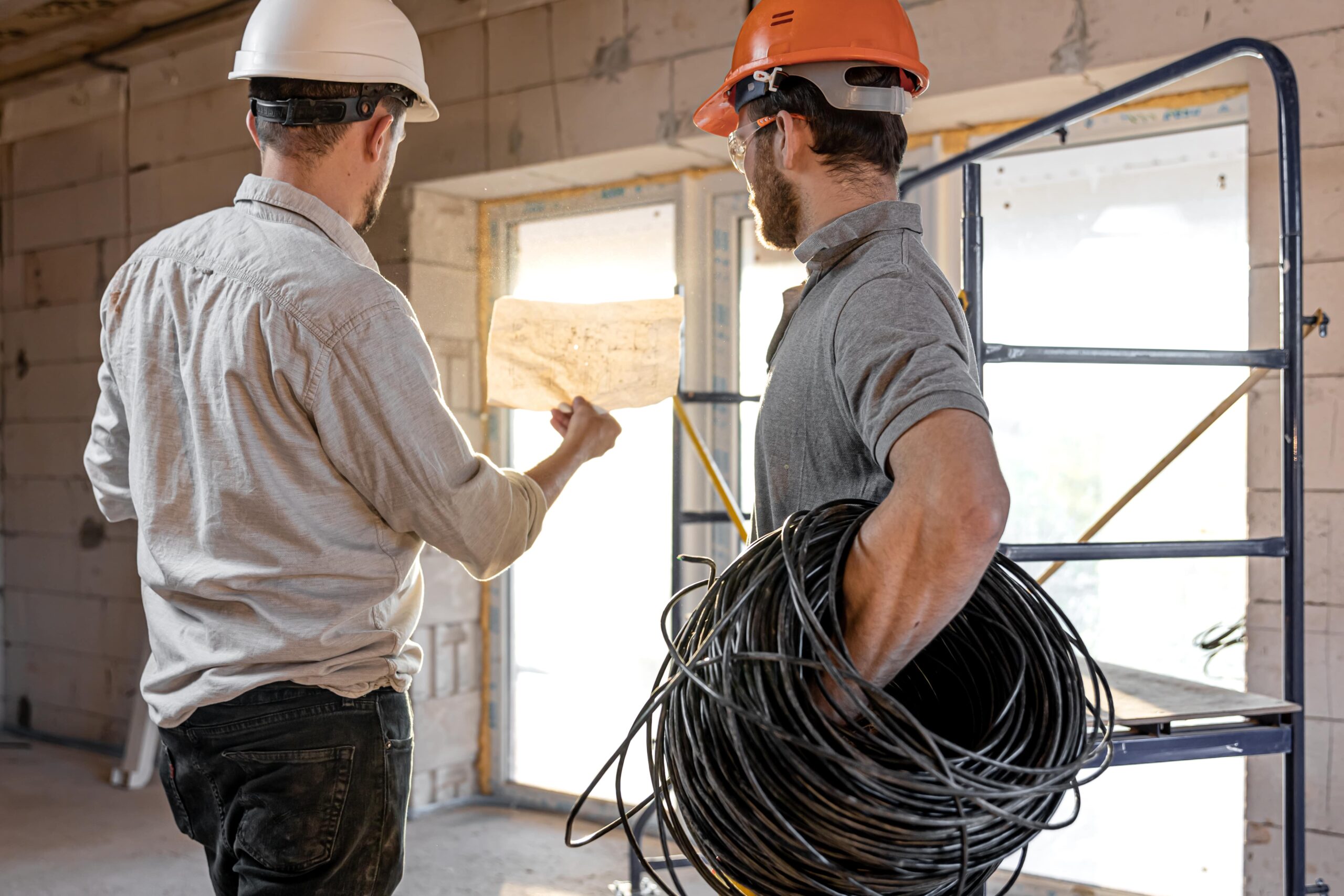
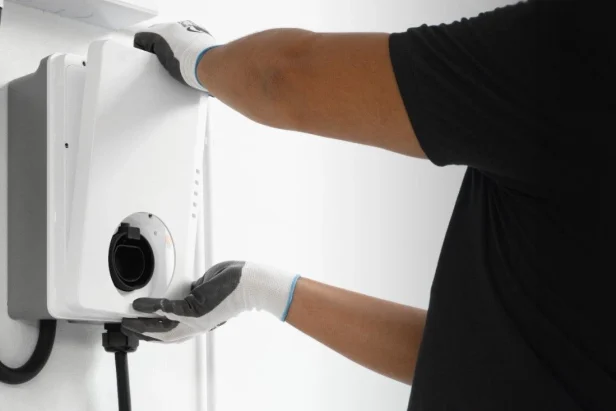
In Ontario, EV charger installations must be completed by a licensed electrical contractor and inspected by the Electrical Safety Authority (ESA).
Because EV chargers are high-load electrical systems, the work must comply with the Ontario Electrical Code and receive a Certificate of Acceptance after inspection.
You Need a Certified Specialist and an EMF-Aware Expert for Home EV Charger Installation
Purchasing an electric vehicle (EV) is a significant step toward the future. But once the car is in the driveway, the next important question is:
How do you charge it safely at home?
Many homeowners assume installing a home EV charger is similar to plugging in a dryer or range. A quick online search or YouTube video can make it look simple.
In reality, EV chargers are not standard appliances, and treating them that way is one of the most common mistakes homeowners make.
A home EV charger is a permanent, high-load electrical system. Installing it correctly requires more than basic electrical work; it needs proper system design, load analysis, code compliance, and thoughtful placement inside the home.
EV Chargers Are Continuous-Load Electrical Systems
Unlike most household appliances that cycle on and off, a Level 2 EV charger can draw near-maximum current continuously for 4 to 8 hours or more. In electrical engineering, this is classified as a continuous load.
Continuous loads place sustained stress on:
- Wiring and insulation
- Circuit breakers
- Panel bus bars and terminations
- Connection points inside the charger
Standard household wiring and panels are not always designed to accommodate this additional demand.
A certified ESA specialist performs a load calculation to confirm:
- Whether your existing panel can safely handle the charger
- If a panel upgrade or load balancing is required
- That conductor sizes, breaker types, and protection devices are appropriate
Without this analysis, problems may not appear immediately, but can surface later as nuisance tripping, overheating, premature equipment wear, or hidden safety risks.
Do I need a permit for EV charger installation?
Is it mandatory to have an electrician for EV installation? The answer is yes, Ontario law requires EV chargers to be installed by a licensed electrician. Because this is a high-load electrical system, the installation must be permitted and inspected by the ESA. Homeowners are not allowed to install EV chargers themselves, and a Certificate of Acceptance is issued after the work passes inspection.

Can Your Electrical Panel Handle an EV Charger?
EV chargers typically require 32 to 48 amps of continuous current, and some systems require a 60-amp circuit. Before installing a charger, a licensed electrician performs a load calculation to determine whether the existing electrical panel can safely support the additional demand.
In many homes, especially older properties, this evaluation raises another important question: whether the existing electrical panel has enough capacity or requires a 200 amp panel upgrade before installing a Level 2 EV charger safely.
If you want to understand when a panel upgrade is actually necessary, read our guide on Do You Need a 200-Amp Panel for an EV Charger?
A proper load analysis helps determine:
-
Whether your current panel can safely support an EV charger
-
If a panel upgrade or load management system may be required
-
Whether the electrical system can operate safely under continuous demand
Without this evaluation, issues may not appear immediately but can later surface as breaker tripping, overheating, or long-term stress on the electrical system.
Can Improper Charger Installation Affect Insurance Coverage?
Yes, how your electrical work is installed and documented can directly affect insurance coverage in the event of an electrical incident.
In Ontario, major electrical work such as panel upgrades and EV charger installations must be completed by a licensed electrical contractor and approved by the Electrical Safety Authority (ESA). If a fire or electrical failure occurs and the investigation finds that the work was:
- done without a permit,
- not inspected,
- or not completed by a licensed professional,
An insurance provider may deny or limit a claim based on non-compliance with safety regulations.
Insurance companies often review electrical permits and inspection records after a fire or electrical incident. If an EV charger installation was completed without ESA notification or by an unlicensed installer, insurance providers may question whether the work complied with safety regulations.
This is especially true for high-load systems like EV chargers and electrical panels, where improper installation can significantly increase fire risk.
Why Professional Installation Matters for Ontario Code
Professional installation provides:
- Code-compliant design and workmanship
- Inspection records and documentation
- Clear accountability for materials and installation methods
These records can be critical during:
- Home resale or inspection
- Insurance claims involving electrical issues
- Future electrical upgrades or renovations
- Unpermitted or undocumented installations can create complications long after the charger is installed, even if it appears to be working normally.
EMF Considerations That Most Installations Overlook
Any electrical system carrying current produces electric and magnetic fields (EMF). EV chargers are no exception, especially because they operate at high current for extended periods.
Most standard installations focus only on passing electrical inspection and meeting minimum code requirements
They do not evaluate:
How high-load circuits are routed through the home
Whether cables run near bedrooms, offices, or living spaces
How grounding, layout, and cable routing affect magnetic field behaviour
This does not mean EV chargers are unsafe. It means that installation design matters, and EMF behaviour is influenced by how the system is planned and built.
Why EMF and Electrical Safety Are One Design Concern
Electrical safety and EMF exposure are often treated as separate topics. In reality, they are closely connected.
The same design decisions that affect:
- Heat buildup
- Load stability
- System reliability
also influence:
- Magnetic field intensity
- Where fields are concentrated
- How long occupants are exposed
At Noradiation, EV charger installation is approached as one integrated design system, not a checklist of unrelated tasks.
EMF-Aware EV Charger Installation in Practice
- An EMF-aware installation considers:
- Where people sleep, work, or spend many hours
- Routing high-load EV circuits away from those areas when feasible
- Avoiding unnecessary cable loops and parallel runs
- Grounding and layout choices that improve overall field behaviour
In many homes, small design adjustments made during planning can significantly reduce unnecessary EMF exposure without affecting performance or compliance.
Testing, Verification, and Documentation
Where appropriate, Noradiation uses professional instruments and methods already employed in EMF inspections to:
- Verify grounding integrity
- Confirm system behaviour under load
- Measure field levels near the installation after completion
- This evidence-based approach replaces assumptions with clear, documented results.
Why Noradiation Is Uniquely Qualified
Noradiation is not an electrical contractor that simply added EMF language to its services. EMF inspections, mitigation, and low-radiation electrical design are core specialties, supported by dedicated procedures and tools.
The same principles used in EMF-safe wiring design, Breaker panel optimization and dirty electricity assessment are applied to EV charger installations.
A home EV charger is not just a convenience device; it is a high-load, long-term addition to your electrical system.
A certified EMF-aware specialist ensures the system is designed for continuous operation, electrical safety, code compliance, thoughtful wiring placement, and reduced EMF exposure.
If you are investing in an EV, it makes sense to invest in an installation that is safe, reliable, and responsibly designed from day one.